

Xoilac TV là kênh trực tiếp bóng đá uy tín được xây dựng và phát triển với mục đích mang đến cho người hâm mộ những giây phút theo dõi trận đấu yêu thích một cách nhanh chóng, hiệu quả nhất. Bên cạnh link ttbd thì Xôi Lạc TV còn thường xuyên cập nhật tin HOT bên lề giúp bạn bao quát làng túc cầu trong tầm tay. Cùng diwanabph.com khám phá kỹ hơn trang web ngay dưới đây nhé.
Giới thiệu về kênh trực tiếp bóng đá Xoilac TV

XoilacTV - kênh trực tiếp bóng đá được yêu thích số 1 hiện nay
Xoilac TV là link xôi lạc trực tiếp bóng đá hôm nay mới nhất, tại đây cung cấp link xem bóng đá trực tuyến tốc độ cao, có thể truy cập thông qua xoilac 7, xoilac 6, xoilac 17, và nhiều trang web xôi lạc TV khác.
Năm 2018, sau một thời gian dài ấp ủ thì CEO Tạ Đăng Phúc chính thức cho ra đời kênh truc tiep bong da uy tín Xoilac TV. Từ đây, người hâm mộ bóng đá trên cả nước sẽ có thể nhanh chóng lựa chọn được cho mình trận đấu yêu thích và theo dõi trực tiếp tại nhà hoàn toàn miễn phí.
Tất cả link xôi lạc tv trực tiếp bóng đá hôm nay do Xoilac TV cung cấp đều đảm bảo chất lượng cao, full HD, không quảng cáo và miễn phí 100%. Người dùng thoải mái truy cập đường link xem truc tiep bong da mọi lúc mọi nơi không giới hạn.
Không chỉ tập trung vào thế mạnh link trực tiếp bóng đá tốc độ cao, Xôi Lạc TV còn cập nhật tin HOT về làng túc cầu như: Bảng xếp hạng, tin tức bóng đá, lịch thi đấu,… Nhờ đó, người dùng có thể bao quát giải đấu, trận đấu đang theo dõi và đưa ra nhận định sát với thực tế, tăng thêm trải nghiệm kịch tính, hấp dẫn tuyệt vời nhất.
Tổng kết ưu điểm khi xem trực tiếp bóng đá Xôi Lạc TV:
| ✅ Trực tiếp bóng đá hôm nay Xôi Lạc TV ở tất cả giải đấu trên thế giới | Xoilac TV truc tiep bong da các giải đấu Ngoại Hạng Anh, Euro, Cúp C1 Châu Âu, Serie A, La Liga, Ligue 1, VĐQG Đức,... |
| ✅ Xem bóng đá trực tuyến Xoilac TV cùng BLV chuyên nghiệp | Xôi Lạc TV trực tiếp bóng đá hôm nay cùng BLV tiếng Việt chuyên môn cao như BLV Giàng A Lử, BLV Leo, BLV Giàng A Phò, BLV Iris, BLV Noname, BLV Tap,... |
| ✅ Xem truc tiep bong da Xoilac TV mượt mà, chất lượng cao | Xem bong da truc tuyen Xoilac TV không quảng cáo, hình ảnh 4K sắc nét cùng âm thanh sống động, không giật lag. |
| ✅ XoilacTV cung cấp nhiều dữ liệu bóng đá ngoài link xem bóng đá hôm nay | Bên cạnh link xem trực tiếp bóng đá, Xôi Lạc TV cung cấp lịch thi đấu / BXH / KQBD / Tỷ lệ kèo / Bài nhận định soi kèo và nhiều thông tin hữu ích khác |
| ✅ Xôi Lạc TV phát trực tiếp bóng đá hôm nay hoàn toàn miễn phí | Bạn có thể xem bóng đá trực tuyến hôm nay miễn phí trên Xoilac TV mà không cần tạo tài khoản hay trả phí. |
Lịch sử hình thành và mục tiêu của kênh Xoilac TV
Xem bóng đá trực tiếp Xoilac đã ra mắt người xem trong nhiều năm qua
CEO Tạ Đăng Phúc đã nghiên cứu thị trường và nhận thấy rằng, các kênh trực tiếp bóng đá đang hoạt động trên thị trường khá hạn chế về số lượng, chất lượng giải đấu.
Chưa kể, chi phí nhà đài mua bản quyền giải đấu hay người hâm mộ mua vé vào khán đài trực tiếp vô cùng đắt đỏ. Điều này dẫn đến tình trạng những người có niềm đam mê với trái bóng tròn sẽ gặp khó khăn khi muốn theo dõi ttbd.
Đó là lý do, XoilacTV ra đời và hoạt động không ngừng nghỉ với mong muốn mang đến cho người dùng những đường link theo dõi bóng đá trực tiếp uy tín, chất lượng, miễn phí.
Xoilac TV hoạt động với mục tiêu trở thành kênh trực tiếp bóng đá uy tín số 1 tại Việt Nam. Sau 5 năm, xem bóng đá trực tuyến Xoilac TV đã tạo dựng được thương hiệu, vị thế vững mạnh và sẵn sàng chinh phục đông đảo người hâm mộ.
Ngoài ra, Xôi Lạc TV còn hướng đến sứ mệnh xây dựng một cộng đồng bóng đá, quy tụ những trái tim đam mê sân cỏ và giúp bạn có thể giao lưu, trao đổi cùng những người có chung chí hướng.
Đặc biệt tại Xoilac TV, bạn không chỉ được cung cấp những đường link xem trực tiếp bóng đá hôm nay uy tín, full HD mà còn thoải mái xem bóng đá chi tiết. Xem bong da Xoi Lac TV hiện đang hợp tác cùng những trang uy tín, treo banner quảng cáo trên trang chủ
Về số lượng giải đấu, Xoilac TV không chỉ tập trung vào những giải đấu lớn giống như bongda TV hay bong da ngon mà trang web luôn cố gắng hết mình để có thể mua được bản quyền của tất cả các giải đấu lớn nhỏ tại Việt Nam và thế giới.
Sau đây là một số tên miền mà trang web xoilactv đã trải qua sau nhiều năm hoạt động:
- Xoilac1.tv, xoilac2.tv, xoilac3.tv, xoilac4.tv đến Xoilac80.tv: Đây là một nhánh nhỏ của hệ thống xem trực tiếp bóng đá Xoilac, trải qua hơn 80 lần đổi tên miền đã chứng minh được sức mạnh của ban quản trị XoilacTV.
- Xoilac tv 90 phut: Một sự hợp tác nhẹ giữa kênh Xoilac và kênh 90phut bóng đá, giúp cho việc xem bóng đá online dễ dàng hơn. Link xem bóng đá tại 90 phút cũng có tốc độ rất nhanh.
- Xoilac rakhoitv: Là trang bóng đá trực tiếp rakhoi chính thức của kênh ra khơi tv, sở hữu bản quyền TTBD nhiều giải đấu giúp rakhoitv trở thành một trang web có nhiều lượt tìm kiếm.
- Xoilac vebotv: Là đối tác phát sóng bóng đá trực tuyến về bờ TV, viết tắt là vebo, sở hữu lượng fan hâm mộ cực lớn trên các nền tảng livestream bóng đá ở facebook và Youtube.
- Mì tôm xôi lạc: hay còn gọi là mitom xoilac, là đối tác sử dụng link trực tiếp của xôi lạc tv, mitom có lượng người xem tương đối lớn và ổn định.
- Xoilac cakhiatv: Là kênh bongdatructuyen có tên gọi là cà khịa tv, nhóm có hơn 10 bình luận viên chuyên nghiệp giúp cakhia tv nổi tiếng trong thời gian vừa qua.
- Xoilac socolive: Là thương hiệu ttbd nổi lên sau khi socolive tv mua lại kênh xoilac, trang socolive hiện nay cũng phát triển khá ổn và trở thành trang trực tiếp bóng đá cực đỉnh.
- Xoilac vaoroi tv: Là trang web có lượng truy cập xem ttbd tạm ổn, vào rồi tv được nổi lên từ 2 năm trước, đội ngũ BLV của vaoroi không nhiều nên vẫn chưa phát triển lớn được.
- Xoilac tv live: Một tên miền bị chặn rất nhiều lần, nhưng vẫn sống sót và cung cấp xoilac link cho anh em.
- Xôi lạc tv: Là tên thường gọi khác của trang TTBD xoilac tv, tại xôi lạc tv bạn có thể lấy link xem bóng đá tốc độ cao miễn phí trên điện thoại và máy tính mà không phải mất tiền.
- Xoilac net: Là link vào trang xoilac.net, trải qua quá trình phát triển thì kênh này đã đổi tên thành nhiều tên phụ khác nhau như: xoilac 7 net, xôi lạc chấm net, xoilac 1 net, xoilac 37 net, xoilac 5 net.
- Xoilac live: Là link vào trang xoilac.live, một nhánh nhỏ mới của kênh trực tiếp bóng đá xôi lạc. xoilac live có ý nghĩa là phần đuôi mở rộng là .live chứu không giống những đối thủ khách.
- Xôi lạc chấm tivi: Là tên tiếng Việt của trang xoilac.tv, ý nghĩa domain là .vn (chấm tivi), một domain quen thuộc của người xem bóng đá xôi lạc.
- Và nhiều thương hiệu khác như: Xoi Lac 3, Xoi Lac 4, Xoi Lac 5... cho đến bây giờ.
Cho đến nay, Xoilac 3 đã phát triển khá mạnh mẽ để trở thành một trong những địa chỉ uy tín trong việc cung cấp dịch vụ xem bong da truc tiep. Với mục tiêu mang lại cho người dùng những trải nghiệm tốt nhất khi xem bóng đá, Xoilac 3 không ngừng đổi mới và nâng cao chất lượng dịch vụ của mình.
Xoilac 3 được thành lập từ năm 2020 và phát triển mạnh mẽ đến hiện nay
Tructiepbongda Xoilac được thành lập vào năm 2020 và đã nhanh chóng thu hút được sự quan tâm của đông đảo người dùng xem bóng đá trực tiếp. Với sự phát triển không ngừng, trang web này đã có những bước tiến vượt bậc trong việc cung cấp dịch vụ xem bóng đá trực tuyến chất lượng cao.
Một trong những yếu tố quan trọng giúp Xoilac 3 phát triển mạnh mẽ là sự đầu tư vào công nghệ và nhân lực. Trang web này luôn cập nhật những công nghệ mới nhất để mang lại cho người dùng những trải nghiệm xem bong da truc tuyen tốt nhất khi xem bóng đá. Ngoài ra, đội ngũ nhân viên của Xoilac 3 cũng được đào tạo chuyên sâu và có kinh nghiệm trong việc cung cấp dịch vụ xem bóng đá trực tuyến.
Xoilac 3 không ngừng đổi mới, nâng cao chất lượng dịch vụ
Một trong những điểm nổi bật của tructiepbongda Xoilac là sự không ngừng đổi mới và nâng cao chất lượng dịch vụ. Trang web này luôn cập nhật những thông tin mới nhất về các giải đấu bóng đá trên thế giới, đảm bảo người dùng có thể xem trực tiếp các trận đấu hot nhất mà không bỏ lỡ bất kỳ thông tin quan trọng nào.
Ngoài ra, tructiepbongda Xoilac cũng liên tục nâng cấp hệ thống máy chủ để đảm bảo cho người dùng có thể xem trực tiếp bóng đá một cách mượt mà và không gặp phải tình trạng giật lag, giúp người dùng dễ dàng theo dõi các trận đấu một cách chân thực nhất.
TTBD Xoilac 3 định hướng trở thành địa chỉ số 1 trong việc cung cấp trực tiếp bóng đá
Mục tiêu của TTBD Xoilac 3 là trở thành địa chỉ số 1 trong việc cung cấp dịch vụ xem bóng đá trực tiếp hôm nay. Với sự nỗ lực không ngừng, trang web này đã và đang dần thực hiện được mục tiêu này.
Để đạt được mục tiêu này, TTBD Xoilac 3 luôn chú trọng vào việc cập nhật thông tin nhanh chóng và chính xác nhất về các giải đấu bóng đá trên thế giới. Ngoài ra, trang web này cũng liên tục cập nhật các tính năng mới để mang lại cho người dùng những trải nghiệm xem truc tiep bong da tốt nhất.
Xem truc tiep bong da Xoilac TV có gì hấp dẫn mà nhiều người truy cập đến thế?
Người hâm mộ có thể theo dõi những trận đấu yêu thích tại xem bóng đá trực tuyến Xôi Lạc TV
Không phải ngẫu nhiên giữa một “rừng kênh ttbd” XoilacTV lại có thể “toả sáng” và giữ vững vị trí số 1 xuyên suốt nhiều năm hoạt động. Để làm được điều này, Xoilac TV đã tập trung phát huy những thế mạnh như sau:
XoilacTV quy tụ các giải đấu bóng đá lớn nhỏ
Xoilac TV cung cấp đường link trực tiếp bóng đá của tất cả các giải đấu lớn nhỏ. Điều đáng nói, Xoilac TV không phân biệt giải đấu mà luôn đảm bảo chất lượng đường link xem trực tiếp bóng đá tuyệt hảo, độ phân giải full HD, tốc độ cao, đáp ứng đầy đủ nhu cầu của fan hâm mộ bóng đá trên cả nước.
Một số giải đấu được tường thuật trực tiếp và tạo dấu ấn tuyệt vời tại xem bong da truc tiep Xoilac TV phải kể đến bao gồm:
- UEFA Champions League – Cúp C1
- Premier League – Giải vô địch Ngoại hạng Anh
- La Liga – Giải đấu bóng đá Tây Ban Nha
- Serie A – Giải đấu bóng đá Ý
- Bundesliga – Giải bóng đá vô địch quốc gia Đức
- Ligue 1 – Giải bóng đá vô địch quốc gia Pháp
- Euro – Giải vô địch bóng đá Châu Âu
- Copa America – Giải vô địch bóng đá Nam Mỹ
- V-League – Giải vô địch bóng đá Việt Nam
- Các giải đấu khác gồm Cúp Nhà Vua, King Cup, Carabao Cup,…
XoilacTV có đội ngũ bình luận viên chuyên nghiệp
Nếu như xem bóng đá K+ tường thuật trực tiếp những giải đấu quốc tế bạn phải “đoán già đoán non” các tình huống diễn ra trên sân thì Xôi Lạc TV lại hoàn toàn ngược lại.
Trang web xây dựng một đội ngũ BLV tiếng Việt chuyên nghiệp, giàu kinh nghiệm và sở hữu lối bình luận đa dạng, sáng tạo. Điều này giúp người xem có thể nhanh chóng bao quát toàn bộ diễn biến trận đấu, hiểu được các tình huống gây tranh cãi trên sân.
Ngoài chuyên môn sâu sắc, am hiểu về làng túc cầu thì đội ngũ BLV tại xem trực tiếp bóng đá Xôi Lạc TV còn biết cách khéo léo lồng ghép yếu tố hài hước, dí dỏm và tương tác với người xem để tạo nên không khí thoải mái, thư giãn.
XoilacTV thiết kế giao diện bắt mắt, ấn tượng
Một trong những ưu điểm giúp xem bong da truc tiep Xoi Lac TV luôn tự tin chinh phục đông đảo người đam mê bóng đá đó chính là giao diện bắt mắt, dễ sử dụng.
Xôi Lạc TV sở hữu một đội ngũ kỹ thuật viên chuyên nghiệp, xây dựng website với mong muốn hỗ trợ tốt nhất cho người dùng. Khi truy cập vào giao diện chính của xolac, bạn sẽ nhanh chóng nhìn thấy link trực tiếp bóng đá xuất hiện trên màn hình. Bên cạnh đó là các danh mục chức năng được sắp xếp khoa học, gọn gàng, dễ tiếp cận.
Link trực tiếp bóng đá tại Xoilac chất lượng cao
XoilacTV cập nhật link trực tiếp bóng đá uy tín, chất lượng
Link trực tiếp bóng đá được XoilacTV cung cấp đều đảm bảo chất lượng cao, full HD, miễn phí 100%. Trước khi link theo dõi ttbd được cập nhật trên trang chủ, Xôi Lạc TV đã kiểm duyệt kỹ lưỡng, đảm bảo không chứa mã độc, không virus nên đảm bảo an toàn, đáng tin cậy.
Đặc biệt, xuyên suốt quá trình theo dõi trực tiếp bóng đá trên Xoilac TV. net, bạn sẽ không gặp tình trạng quảng cáo làm phiền. Xoilac.TV đầu tư vào tốc độ đường truyền ổn định, hạn chế tối đa tình trạng giật lag, gián đoạn không mong muốn.
Chất lượng video từ HD trở lên, giúp cho hình ảnh rõ nét
Một ưu điểm vượt trội của trang truc tiep bong da Xoilac TV được hàng triệu người dân tại Việt Nam đánh giá cao đó chính là chất lượng video HD trở lên, ngay cả 2K, 4K cũng đầy đủ. Nhờ đó, người xem có thể tận hưởng được những khoảnh khắc tuyệt vời của sân cỏ.
Nếu như tốc độ đường truyền mạng của bạn bị chậm, thì hãy chuyển sang chế độ HD để có trải nghiệm tốt nhất.
Âm thanh hiện trường tại sân vận động rõ ràng
Âm thanh là một yếu tố quyết định cho việc xem bong da truc tiep được trọn vẹn và hấp dẫn hơn bao giờ hết. Bạn có thể không xem video, nhưng tuyệt đối phải nghe được âm thanh của trận đấu. Nó bao gồm âm thanh tại sân vận động, tiếng còi, tiếng hò reo của cổ động viên, giọng bình luận của các BLV Xôi Lạc Tivi.
Để người xembongdatructuyen có trải nghiệm tốt nhất, chúng tôi đã sử dụng các đường link trực tiếp bóng đá chất lượng, tốc độ thu sóng vệ tinh cao và nhanh. Nhờ đó, mọi thứ bạn đang xem đều diễn ra tốt đẹp tại Xôilac.tv.
Nói không với các banner và clip quảng cáo xuất hiện trong video trực tiếp bóng đá

Xoilac TV nói không với các quảng cáo rác trong video bóng đá trực tiếp
Xem bong da truc tiep Xoi Lac luôn quan tâm đến cảm nhận của người xem. Do đó, chúng tôi hiểu rằng, việc có quảng cáo chen ngang lúc xem video là một điều khó chịu. Chính vì thế, BĐ Xôi Lạc TV đã nói không với các quảng cáo rác, không lành mạnh.
Nhờ đó, người xem bóng đá trực tiếp hôm nay có một không gian sạch và hòa nhịp cùng với trận đấu mình yêu thích một cách tốt nhất.
Cập nhật tin HOT về làng túc cầu đầy đủ
Bên cạnh thế mạnh link trực tiếp bóng đá, Xôi Lạc TV còn tập trung vào những tin tức bóng đá mới nhất. Những thông tin được cập nhật đều tổng hợp từ nguồn chính thống, chính xác 100% và đầy đủ nhất.
Một số tin HOT về làng bóng đá trong nước và quốc tế được quan tâm nhiều nhất trên kênh xem trực tiếp bóng đá Xoilac TV bao gồm:
- Tin tức về giải đấu, trước trận đấu, bên lề sân cỏ, chuyển nhượng, huấn luyện viên, sân vận động,…
- Kết quả bóng đá, tỷ số trực tiếp, cầu thru ghi bàn, phạt góc, ném biên, thẻ phạt,…
- Lịch thi đấu của các giải đấu đang diễn ra, bảng xếp hạng, tỷ lệ, video highlight,…
Xôilac TV có hệ thống bảo mật chắc chắn
Thông tin của người dùng sau khi được Xôi Lạc TV thu thập từ hình ảnh, bình luận, cookies đều được bảo mật tuyệt đối bằng công nghệ mã hoá, tường lửa nhiều lớp hiện đại và chắc chắn.
Người dùng không chỉ được thoả mãn đam mê khi theo dõi trực tiếp bóng đá bình luận tiếng Việt trên xem bong da Xoi Lac 7 mà còn có thể yên tâm về tính pháp lý, bảo vệ quyền riêng tư một cách tuyệt đối.
Tất cả những thông tin chúng tôi thu thập được dùng vào mục đích đánh giá mức độ hài lòng, kiểm soát truy cập bất thường, gửi thông báo khi cần thiết và từ đó nâng cao chất lượng dịch vụ được cung cấp. XoilacTV không đi sâu vào thông tin cá nhân của người dùng nên bạn có thể yên tâm trải nghiệm.
Cung cấp những tính năng quan trọng trên trang chủ
Ngoài trực tiếp bóng đá thì Xoilac TV xứng đáng là “điểm dừng chân” lý tưởng của những anh em có niềm đam mê với bộ môn thể thao vua. Tại đây, Xoilac TV không chỉ chú trọng đến link xem truc tiep bong da toc do cao mà còn tích hợp những tính năng quan trọng nhằm hỗ trợ tối đa cho người dùng, cụ thể:
- Live trực tiếp bóng đá của tất cả những giải đấu lớn nhỏ trong nước và thế giới. Người dùng thoải mái xem Ngoại hạng Anh trực tiếp, World Cup đỉnh cao cùng rất nhiều giải đấu hấp dẫn khác.
- Cung cấp video highlight giúp người hâm mộ có thể bao quát trận đấu một cách nhanh chóng nếu không có thời gian theo dõi toàn bộ diễn biến.
- Tin bóng đá được cập nhật mỗi giờ, đảm bảo nguồn tin chính thống và có độ chính xác lên đến 100%.
- Xem lịch bóng đá hôm nay của các giải đấu, trận đấu sẽ được cung cấp ngay trên trang chủ để người hâm mộ có thể lựa chọn được cho mình “chân ái” nhanh chóng.
- Tỷ lệ của các trang uy tín sẽ được cập nhật cho mỗi trận đấu một cách chi tiết. Xôi Lạc TV được tung ra từ sớm, ổn định và hỗ trợ đưa ra nhận định chính xác cho trận đấu đang theo dõi.
- Bảng xếp hạng được cập nhật giúp người hâm mộ nắm được thông tin về vị trí đội bóng ở các vòng đấu, theo dõi những thông số quan trọng như hiệu số bàn thắng, tổng số điểm đạt được,…
- Livescore mang đến cho người hâm mộ những khoảnh khắc vàng trên sân cỏ một cách nhanh chóng mà không cần theo dõi diễn biến trận đấu xuyên suốt 90 phút như bình thường.
Xoilac tv trực tiếp bóng đá có link xem bóng đá chính xác
Xoilac tv trực tiếp không chỉ cung cấp link xem bóng đá tốc độ cao, mà tại đây còn có thể xem thêm những video bóng đá hightlight, những trận đối đầu trực tiếp giữa các đội bóng đá lớn nhỏ tại Việt Nam và quốc tế.
Minh chứng nhiều nhất là sự phát triển của nhiều trang phụ ra đời như xoilac 6, xoilac 17, xoilac 1, xoilac 5, xoilac 8, xoilac 2, .. và hàng trăm trang web xôi lạc trực tiếp miễn phí khác.
Xoilac TV có điểm gì nổi bật so với các kênh ttbd khác?
Để có thể xứng đáng là sự lựa chọn số 1 của đông đảo người hâm mộ, xem bongdatructiep tại Xoilac TV mang đến những thế mạnh bao gồm:
- Đầu tư cả về chất lượng và số lượng link trực tiếp bóng đá của tất cả các giải đấu lớn nhỏ.
- Đội ngũ BLV được tuyển chọn kỹ lưỡng và đào tạo chuyên nghiệp, đảm bảo người hâm mộ sẽ có được những giây phút sống trọn đam mê không thể nào quên.
- Link trực tiếp bóng đá Xoilac TV đều có bản quyền đầy đủ, không chứa mã độc, virus.
- Người dùng có thể tham gia bình luận, đánh giá và chia sẻ những thông tin về trận đấu tại khu vực bình luận.
- Tôn trọng quyền riêng tư, bảo mật thông tin và luôn đặt lợi ích người dùng lên trên hết.
Xem trực tiếp bóng đá XoilacTV bị giật lag phải làm sao?
Trong một số trường hợp, do đường truyền internet không ổn định, thiết bị cấu hình thấp, giờ cao điểm dẫn đến tình trạng quá tải, giật lag khi theo dõi ttbd tại Xôi Lạc TV. Để khắc phục, bạn có thể áp dụng một số phương pháp sau:
- Kiểm tra đường truyền internet, đảo bảo tốc độ đường truyền ổn định, mạnh và không bị gián đoạn.
- Nếu màn hình thiết bị trong quá trình theo dõi trận đấu bị đơ, hãy F5 refresh tải lại trang hoặc nhấn dừng video 1 – 2 giây để khắc phục nhanh chóng.
- Bạn có thể theo dõi trực tiếp bóng đá tại XoilacTV bằng link dự phòng. Những đường link xem đá bóng này được tung ra với mục đích giảm tải cho link chính nên bạn yên tâm về chất lượng.
- Tuỳ chỉnh chất lượng video phù hợp với kết nối internet và cấu hình thiết bị sử dụng để xem ttbd tại Xoilac TV.
Hướng dẫn các bước xem trực tiếp bóng đá trên XoilacTV
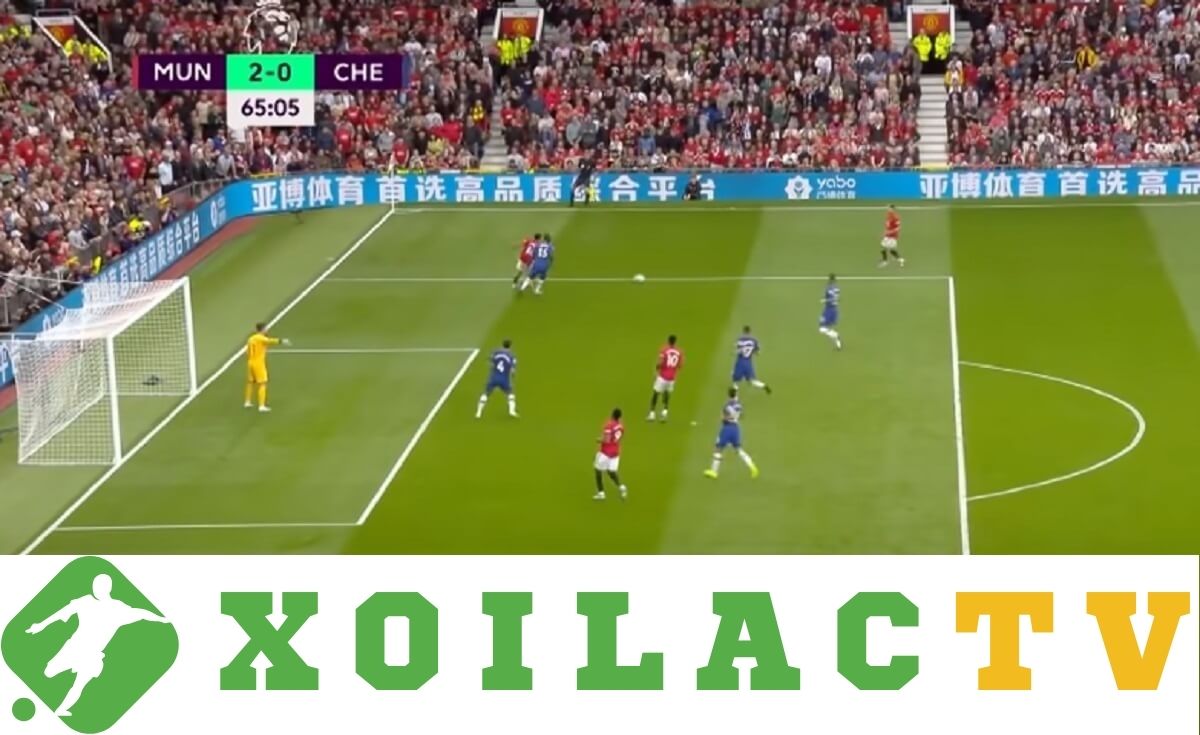
Các bước theo dõi trực tiếp bóng đá tại XoilacTV dễ tiếp cận
Để tăng trải nghiệm và giúp người dùng có thể theo dõi bóng đá chất lượng cao tại Xoilac TV, trang web đã cung cấp đường link xem trực tiếp bóng đá trên cả nền tảng PC và Mobile.
Các bước xem trực tiếp bóng đá trên Xôi Lạc TV cụ thể như sau:
- Bước 1: Bạn vào trình duyệt trên thiết bị của mình như Google Chrome, Firefox, Cốc Cốc, Opera,...
- Bước 2: Nhập từ khoá Xoilac TV vào khung tìm kiếm và nhấn Enter.
- Bước 3: Trên màn hình sẽ xuất hiện các kết quả phù hợp với từ khoá mà bạn tìm kiếm. Lúc này, hãy chọn một đường link uy tín để vào trang chủ Xoilac TV.
- Bước 4: Tại giao diện chính, bạn sẽ nhìn thấy rất nhiều đường link theo dõi bóng đá trực tiếp. Chọn link trận đấu yêu thích, bấm vào mục Xem trực tiếp và mãn nhãn với các pha bóng xuất thần trên sân cỏ.
Quy tắc khi xem bóng đá tại XoilacTV
Xôilac là một kênh xem bóng đá số miễn phí cho tất cả mọi người, nhưng khi xem ở đây bạn phải tuân thủ thêm những quy tắc dưới đây.
- Tham gia bình luận tích cực, không văng tục, chửi bới người khác.
- Không nói lời xúc phạm bình luận viên, họ là người chia sẻ thông tin miễn phí cho bạn nên phải tôn trọng.
- Không đăng những thông tin cá độ vào phần khung chat.
- Được phép chia sẻ đường link xem bóng đá đến với mọi người.
Đó là những quy tắc về tính lịch sự. Ngoài ra, để xem bong đá trực tiếp không bị dựt lag thì bạn phải thực hiện một số công việc sau:
- Không mở quá nhiều trận trên cùng một máy tính, vì như vậy sẽ chiếm băng thông internet, dẫn đến bị giật, lag.
- Không report đường link, nếu không sẽ bị khóa và chúng ta không thể xem được trận đấu hôm nay.
- Tắt những ứng dụng chiếm dung lượng mạng quá nhiều.
Những việc làm trên sẽ giúp video bóng đá trực tiếp trở nên mượt mà hơn.
So sánh Xoilac với Socolive, Cakhia, TTBD và nhiều kênh khác
Nói về chất lượng TTBD thì Xoilac là số 2 thì không ai là số 1. Đó không phải là những lời chém gió, mà được tổng hợp từ nhiều đánh giá từ người xem video. Cụ thể như sau:
| Kênh | Số lượt tìm kiếm | Bình luận viên | Tốc độ |
| Xoilac | 5 triệu mỗi tháng | Hơn 100 bình luận viên | Nhanh, mượt mà |
| Socolive | 2 triệu mỗi tháng | Hơn 50 bình luận viên | Nhanh |
| Cakhia | 3 triệu mỗi tháng | Hơn 50 bình luận viên | Nhanh |
| Vebo | 400k mỗi tháng | Ít hơn 50 bình luận viên | Nhanh |
| Xoivo | 300k mỗi tháng | Ít hơn 50 bình luận viên | Nhanh |
| TTBD | 100k mỗi tháng | Ít hơn 50 bình luận viên | Nhanh, mượt |
| Xoivo | 200k mỗi tháng | Lượng bình luận viên giới hạn | Nhanh |
| Rạkhoitv | 400k mỗi tháng | Lượng người tìm kiếm rất tốt | Nhanh |
So sánh bóng đá xôi lạc tv với kênh truyền hình K+
So với các kênh trực tiếp có bản quyền thì chất lượng video của xoilac tv cũng không kém phần mượt mà, thậm chí được đánh giá là tốt hơn rất nhiều. Dưới đây là một vài so sánh cơ bản nhất:
- Chất lượng video: Cả K+ và Xoilac đều có chất lượng tốt, xem mượt mà và không bị lag.
- Bình luận viên: Xoilactv có bình luận viên nhiều, còn K+ thì mỗi trận chí có từ 1, 2 bình luận viên.
- Số lượng trận: Xoilac có thể phát cùng lúc nhiều trận, thậm chí là cả trăm trận mõi ngày. Nhưng K+ thì khác, chỉ phát được số lượng trận bị giới hạn.
- Kinh phí: Xem bóng đá trực tuyến tại Xoilac hoàn toàn miễn phí, còn K+ thì bạn phải bỏ ra một số tiền nhất định theo tháng.
- Truy cập: Xoilac truy cập đơn giản, nhanh chóng, nhiều phiên bản và nhiều domain khác nhau.
- Quảng cáo: Xoilac quảng cáo nhiều hơn, thậm chí còn tư vấn cho anh em từ những bình luận viên chuyên nghiệp.
Trên đây là những so sánh cho thấy Xoilac đang là kênh xem bóng đá số 1 tại Việt Nam.
Bình luận bóng đá trực tiếp yêu thích nhất tại Xoilac TV
Bình luận viên yêu thích nhất
Mỗi ngày phát trực tiếp hàng trăm trận, đây là một con số không hề nhỏ nên đòi hỏi kênh xoilac phải tuyển BLV thường xuyên. Sau quá trình phát triển và sàn lọc thì team đã có được rất nhiều BLV bóng đá chất lượng, cách làm việc không khác gì nhà đài. Dưới đây là 5 cái tên được nhiều người nhắc đến nhất:
- Vũ DIA: Là bình luận viên gia nhập team xoilac đầu tiên và lâu đời nhất, sở hữu chất giọng trong sáng và rõ ràng nên có rất nhiều fan theo dõi.
- Phong Camen: Giống với cái tên của anh, sử dụng căm mắt như camen để bình luận những trận đấu tốt nhất, mang lại giây phút thoải mái nhất cho mọi người.
- Bão tap: Có phong cách bình luận mang tính chất riêng, ưu điểm nhớ hết tên cầu thủ, nói tên ai là không trượt phá nào.
- Cô Đơn: Anh có cái tên này bởi luôn bình luận một mình, nhưng lại đưa ra những kết quả hợp lý.
- Noname: Không muốn có một cái tên, noname đã tham gia bình luận cho nhiều kênh bóng đá như Socolive, Cakhia... nhưng cuối cùng anh quyết định hợp tác với Xoilac lâu dài.
Ngoài ra còn hơn 100 bình luận viên bóng đá chuyên nghiệp khác, tất cả họ đều có sở trường cũng như khả năng bình luận rất tốt.
Nếu bạn muốn đăng ký trở thành bình luận viên trực tiếp bóng đá Xoilac thì phải đạt những tiêu chí sau đây:
- Trung thực, không gian dối trong công việc.
- Có kiến thức chuyên môn về bóng đá, biết nhiều giải bóng đá, tên cầu thủ, tiẻu sử, tên huấn luận viên của đội bóng...
- Có khả năng nhận định, đưa ra kết quả chính xác cho người xem.
- Có thời gian rãnh nhiều, bởi có những lúc phải thức đêm để phát trực tiếp
- Có giọng nói tốt, không nói lắp, ngọng...
- Nói tiếng phổ thông, không nói tiếng địa phương.
Những tiêu chí cơ bản nhất đã được chúng tôi phân tích rõ ràng, còn việc có trở thành BLV tại XoilacTV hay không thì tùy duyên của từng người.
Trực tiếp bóng đá xoilac 7 là gì?
.jpg)
Xembongdatructiep tại Xoilac 7 với tốc độ video mượt mà
Xoilac 7 cũng là một trang xem trực tiếp bóng đá cực kì uy tín, là hệ thống chung với kênh xôi lạc. Xoilac 7 được tách ra với mong muốn tạo thêm đường link xem bóng đá cho mọi người, giúp không bị dựt lag cũng như tránh trường hợp bị chặn.
Trang Xôilac 7 có sử dụng chung đường link xem bóng đá trực tiếp với kênh Xoilac, nên chất lượng video cũng chất lượng không kém. Bởi vì, cả hai kênh cùng chung một mục tiêu là phát sóng xem bóng đá truc tuyen chat luong cao tất cả các trận bóng đá hấp dẫn trên thế giới. Nếu khi truy cập vào hệ thống không được thì bạn cũng có thể tìm kiếm từ khóa này để vào kênh Xôilạc.tv chính xác hơn.
Người quản lý Xoilac7 là Mr Bean, một người có am hiểu rất rộng về bóng đá, có khả năng quản lý bình luận viên và kết nối link trực tiếp cho trang web. Anh là người cảm hứng sáng lập ra Xôi Lạc 7 để phục vụ mọi người.
Tại sao nhiều quán cà phê lựa chọn kênh xem bóng đá Xoilac TV để phát sóng?
Xembongda tại các quán cafe cũng là một sở thích rất thú vị, tạo ra không khí cỗ vũ đội bóng yêu thích của mình rất cuồn nhiệt. Các quán cafe hầu hết đều mua bản quyền về trực tiếp bóng đá, nhưng cũng có một số quán họ chọn tải app Xoilac TV về hoặc truy cập vào trang chủ của xem bong da Xoilac để thưởng thức.
Ưu điểm lớn nhất khi ra quán cafe để xem bóng đá là:
- Được xem bóng đá cùng bạn bè và người thân.
- Được phục vụ tận tình, chỉ cần ngồi vào bàn và gọi ly nước là có thể xem được.
- Được xem bóng đá miễn phí, không phải bỏ khoản chi phí nào để xem live bóng.
- Có không khí tưng bừng cùng với những người có cùng đam mê, được xem đá bóng cùng người yêu, anh em, thậm chí là cả bố mẹ.
Hầu hết những fan bóng đá khi xem tại quán cafe đều truy cập kênh XoilacTV. Họ đều có những đánh giá tích cực như sau:
- Chất lượng video link xem bóng đá Xoilạc quá tuyệt vời, không bị lag.
- Bình luận viên rất vui tính, hiểu biết rộng về bóng đá, có kiến thức chuyên môn, giọng nói ấm áp.
- Hỗ trợ xem các thông tin khác của từng đội bóng như đội hình ra sân, huấn luận viên là ai ...
Đối tượng ra quán cafe xem đá bóng miễn phí đa số là sinh viên ở các thành phố lớn như Hà Nội, TP Hồ Chí Minh, Đà Nẵng, Nha Trang, Vũng Tàu... Họ có thể cùng nhau hét hò và tận hưởng niềm vui bóng đá với nhau một cách thâm tình và gần gũi.
Cách tìm kiếm trang bóng đá Xoilac link chuẩn trên mạng
Có rất nhiều thương hiệu đã giả mạo kênh Xôi lạc với mục đích lừa đảo người xem. Vì vậy, việc tìm kiếm link xem bóng đá Xoilac chuẩn là rất cần thiết. Sau đây mình sẽ hướng dẫn các bước cụ thể.
- Bước 1: Sử dụng bộ từ khóa mà chúng tôi cung cấp ở cuối phần này, sau đó vào google.com để nhập từ khóa vào và tìm kiếm.
- Bước 2: Danh sách kết quả trả về là tất cả những link vào trang Xoilac được Google xếp hạng top, bạn có thể click vòa link nào cũng được.
- Bước 3: Sau khi vào là bạn có thể xem bóng đá thoải mái cùng với đội ngũ bình luận viên của Xôilạc rồi đấy.
Bộ từ khóa mà bạn nên dùng để tìm kiếm:
| STT | Từ khóa |
| 1 | Xoilac |
| 2 | Xoilactv |
| 3 | xem bong da xoilac |
| 4 | xem trực tiếp bóng đá xoilac |
| 5 | xoi lac tv |
| 6 | trực tiếp bóng đá xoilac |
Ngoài ra, Xoilaca.tv còn hỗ trợ thêm một số từ khóa về TTBD rất chất lượng:
- Xoilca Tructiepbongda là từ khóa chuyên cung cấp link trực tiếp bóng đá, giúp bạn có thể truy cập vào trang xem trực tiếp bóng đá xôi lạc tv một cách nhanh nhất.
- Xoilca Bongdatructiep có ý nghĩa cung giống như các thuật ngữ khác như: xembongda, xemtructiepbongda... hoàn toàn có thể xem tại warmvanillasugar.com mà không sợ lag.
- Xoilca Tructiepdabong, từ khóa có lượng tìm kiếm hơi thấp, có khoảng 9000 lượt tìm kiếm mỗi tháng, giúp Xoilac TV ngày càng có nhiều traffic.
- Xoilac ttbd: Là trang trực tiếp bóng đá miễn phí nổi tiếng, cũng có thể được viết là tt bd, được nhiều người sử dụng tìm kiếm kênh xôilac ttbd trên mảng để lấy link chính thức.
Các kênh mà Xoilac TV đã trải qua trong quá trình phát triển
Trong quá trình phát triển dự án live bóng đá miễn phí, Xoilac đã gặp phải rất nhièu khó khăn trong vấn đề bản quyền, nên việc bị chặn doain là điều không thể tránh khỏi. Trải qua hơn 4 năm thì chúng tôi đã duy trì được một số thương hiệu như sau:
- Xoilac1, Xoilac2, Xoilac3, Xoilac4, Xoilac5, Xoilac6, Xoilac7, Xoilac8... là những domain của xoilac được thay đổi mỗi khi trang chính bị chặn.
- Xoilac tv: Một kênh khác bắt nguồn từ domian .vn, được nhiều người biết đến bởi từ khóa TV. Bắt nguồn từ xoilac.tv, domain đã trải qua nhiều thăng trầm, và đến nay đã chuỷen đổi đến con số xoilac80.tv.
- Xoilactv live, nhiều người có thói quen tìm kiếm kênh xôi lạc sẽ dùng từ live, ý nghĩa là live bong đá, hay còn gọi là trực tiếp bóng đá. Khi search từ khóa này anh em cũng có thể tìm đến trang chủ chính thức của xoilac.
Các giải bóng đá được XoilacTV thường xuyên phát trực tiếp
Xem bóng đá Việt Nam và các giải đấu lớn tại xem bong da truc tiep Xoi Lac
Nói về giải đấu thì tùy từng thời điểm mà giải sẽ diễn ra, nên ban biên tập của Xoilac cũng xếp xem lịch bóng đá hôm nay dựa vào những trận bóng hot, sự phổ biến của từng giải mà người Việt Nam thường xem. Dưới đây là một số giải đấu và câu lạc bộ mà team Xôi lạc thường quan tâm.
- Truyền hình trực tiếp bóng đá ngoại hạng Anh - NHA: Chắc chắn rồi, Ngoại Hạng Anh là một giải đấu vô cùng hấp dẫn không chỉ ở Việt nam mà trên toàn thế giới. Giải nhận được nhiều sự theo dõi từ fan bóng đá, nhiều cầu thủ nổi tiếng trên thế giới đều đang đầu quân cho các câu lạc bộ nổi tiếng ở đây. Team chúng mình luôn mong muốn tất cả các trận đấu giải NHA đều được phát trực tiếp, người người nhà nhà đều có thể xem bong da miễn phí, theo dõi cầu thủ mà mình yêu thích nhất.
- Trực tiếp La Liga: La Liga là giải bóng đá bậc nhất Tây Ban Nha, với những đội bóng nổi tiếng như Barca, Real ... sở hữu lượng fan vô cùng lớn. Đến với xôi lạc TV bạn sẽ theo dõi hết tất cả các trận đấu của giải này.
- Trực tiếp Serie A: Có độ HOT không kém gì các giải đấu khác, giải bóng đá Ý cũng được nhiều người Việt nam biết đến và mong muốn được xem trực tiếp mỗi ngày.
- Trực tiếp Bóng đá Đức: giải Bundesliga có nhiều CLB nổi trội như Bayern, Dortmund ... có lượng fan không kém gì những giải đấu khác, nên việc theo dõi bóng đá ở đây là nhu cầu chung của mọi người.
- Trực tiếp bóng đá Việt Nam: Chắc chắn rồi, link xem bóng đá VN được Xoilac team phát sóng mỗi ngày, luôn ưu tiên cho mọi ngời dân Việt nam có thể xem các giải đấu trong nước.
- Ngoài ra, team chúng mình còn phát trực tiếp các giải khác như: Trực tiếp bóng đá Hàn Quốc, Trung Quốc, Nhật Bản, bóng đá phủi, trực tiếp giải nhà nghề Mỹ, Brazil, Mexico, U23 đông nam Á, U23 Việt Nam... và tất cả các giải phát sóng trên kênh truyền hình VTV3, VTV4, VTV5, VTV5, K+ đều có thể xem tại warmvanillasugar.com.
Đối với câu lạc bộ thì Xoilac.tv quan tâm đến những CLB sau:
- Cung cấp link xem trực tiếp MU, Manchester United là câu lạc bộ mà ai cũng muốn xem, có lượng view nhiều nhát.
- Link xem trực tiếp Chelsea, Arsenal, Liverpool... ở giải đấu NHA cung được nhiều người quan tâm.
- Ngoài ra, link bóng đá Real Madrid, Barca,... cũng được phát mỗi khi có lịch thi đấu. Mời các bạn theo dõi thường xuyên tại trang web Xoilaca.tv nhé.
Tóm lại, anh em có thể:
Xôi Lạc.tv trực tiếp là một trang web cung cấp dịch vụ xem bóng đá số, chủ yếu tập trung vào việc phát sóng các giải đấu hàng đầu trên thế giới. Dưới đây là chi tiết thông tin về các giải đấu mà Xoilac 3 cung cấp trực tiếp:
Xem bóng đá trực tuyến World Cup
World Cup là một trong những sự kiện thể thao quan trọng và được chờ đợi nhất trên toàn cầu, được tổ chức mỗi 4 năm một lần. Sự kiện này chính là một nền tảng cho các đội bóng quốc gia thể hiện khả năng của mình trên đấu trường quốc tế.
Xôi Lạc.tv trực tiếp mang đến trải nghiệm xem trực tiếp bóng đá hôm nay World Cup tuyệt vời cho người hâm mộ trên khắp hành tinh. Xoilac 3 trực tiếp mọi trận đấu từ vòng bảng đến chung kết với nguồn thông tin độc đáo, đầy đủ về mọi khía cạnh của giải đấu.
Xem bóng đá trực tiếp EURO
Giải đấu EURO là giải đấu quốc gia châu Âu diễn ra mỗi 4 năm, thu hút sự quan tâm lớn từ người hâm mộ trên khắp châu lục. Xôi Lạc.tv trực tiếp là địa chỉ đáng tin cậy, cung cấp đầy đủ về tất cả các khía cạnh của giải đấu EURO.
Từ vòng loại đến trận chung kết, Xoilac 3 đồng hành với cộng đồng người hâm mộ, đem đến cho họ trải nghiệm xem bong đa truc tiep tuyệt vời và không thể quên trong mỗi giây phút của cuộc đua hấp dẫn này.
Xem bóng đá Champions League
Champions League là giải đấu cúp câu lạc bộ hàng đầu châu Âu, thu hút sự quan tâm lớn từ các đội bóng hàng đầu trên thế giới. Xôi Lạc tv trực tiếp bóng đá hôm nay cung cấp trực tiếp các trận đấu từ vòng bảng đến chung kết của Champions League, giúp người hâm mộ theo dõi sát sao các đội bóng mình ưa thích cũng như xem kèo bóng đá hôm nay.
Xem trực tiếp bóng đá Europa League
Europa League là một giải đấu cúp cấp câu lạc bộ châu Âu với các đội bóng không tham gia Champions League có cơ hội thi đấu. Xoilac 3 cung cấp dịch vụ xem bong đá trực tuyến cho tất cả các trận đấu trong khuôn khổ Europa League.
Xem bóng đá trực tiếp hôm nay Copa America
Copa America là giải đấu quốc gia lớn ở khu vực Nam Mỹ, thu hút sự quan tâm của những người hâm mộ đam mê bóng đá Nam Mỹ. Xôi Lạc tv trực tiếp bóng đá hôm nay đảm bảo cung cấp trực tiếp tất cả các trận đấu của Copa America để người xem có thể trải nghiệm những pha bóng hấp dẫn.
Trực tiếp bóng đá Ngoại hạng Anh
Ngoại hạng Anh là một trong những giải đấu bóng đá hàng đầu thế giới, với sự cạnh tranh gay cấn giữa các đội bóng hàng đầu. Xoilac 3 cung cấp dịch vụ xem trực tiếp bóng đá Ngoại hạng Anh cho tất cả các trận đấu trong khuôn khổ mùa giải, đem lại cho người hâm mộ những phút giây hứng khởi và không ngừng hỗ trợ cho đội bóng yêu thích.
Báo chí nói gì về Xôi Lạc TV - trang xem bóng đá miễn phí
Theo Vietnamnet đưa tin, Xôilac đã phát triển rất mạnh, hiện nay có hơn 20 website Xoilac đang hoạt động, và là vấn nạn vi phảm bản quyền về lĩnh vực thể thao nói chung và bóng đá nói riêng.
Theo đó, khi các domain Xoilac bị chặn thì sẽ lập tức đổi sang một domain mới, quaátrình chuyển đổi không quá 10 phút, gây ra nhiều khó khăn cho công tác an ninh.
Nhưng với dân xem bóng đá thì khác, họ rất thích XoilacTV, bởi tại đây, họ sẽ được xem được nhiều video bóng đá hơn, và đặc biệt là miễn phí. Không chỉ công chiếu tại Việt Nam, hệ thống kênh còn có thể phát được cả ở nước ngoài, nên mọi người đừng qua lo lắng khi đang công tác ở nước ngoài. Chỉ cần truy cập vào đường link Xoilactv thì sẽ xem được bóng đá ngay.
Qua đó cho thấy sự phát triển quá mạnh của kênh xem bóng đá miễn phí Xoilac TV, ngay cả nhà mạng chặn link thì vẫn còn rất nhiều link khác đang hoạt động, nên không phải quá lo lắng, lúc nào bạn cũng có thể xem được.
Khán giả nói gì về bóng đá Xoilac TV?
Bóng đá không chỉ là những trận cầu đỉnh cao, mà còn là những cảm xúc khó quên với người hâm mộ. Để thỏa mãn đam mê này và theo dõi những trận đấu đầy cảm xúc, việc tìm kiếm một nền tảng đáng tin cậy là hết sức quan trọng. Trong bài viết này, chúng ta sẽ khám phá khán giả nói gì về bóng đá Xoilac TV, sự lựa chọn của nhiều người yêu thể thao ra sao nhé.
“Quả thật chất lượng hình ảnh video HD của Xoilac TV đã làm trận đấu rất sống động và chân thực.”
Trải nghiệm xem bóng đá với Xoilac TV nhiều người ví như một cuộc phiêu lưu sống động và chân thực. Điều này là nhờ vào chất lượng hình ảnh HD mà trang tructiepbongda Xoilac TV mang đến. Mỗi trận đấu trên màn hình trở nên rực rỡ và sắc nét, giúp khán giả cảm nhận từng pha bóng, từng cú sút và từng phản ứng của các cầu thủ như thể họ đang trực tiếp ở sân vận động.
“Từ giờ tôi không cần phải xem chùa trận đấu mà không hiểu gì, vì Xoilac TV đã phát sóng hầu hết các giải đấu bản quyền và bình luận viên còn là người Việt.”
Với giao diện thân thiện, dễ sử dụng và tùy chọn đa dạng về trận đấu và giải đấu, khán giả có thể tùy chỉnh trải nghiệm xemtructiepdabong XoilacTV theo ý muốn của mình. Điều này giúp họ không bỏ lỡ bất kỳ trận đấu nào mà họ quan tâm và luôn có thể xem lại những khoảnh khắc ấn tượng.
Bên cạnh đó, bình luận viên chuyên nghiệp đều là người Việt Nam còn mang đến cho người xem những ấn tượng mạnh mẽ và thú vị. Bạn cũng có thể tương tác trực tiếp với các BLV và người xem khác thông qua khung chat bên cạnh video.
“Tôi rất ấn tượng với sự chuyên nghiệp và tận tâm của Xoilac TV đối với khán giả”
Sự chuyên nghiệp và tận tâm của xem bóng đá trực tiếp Xoilac TV đối với khán giả là điều mà nhiều người đã ghi nhận. Dịch vụ này không chỉ đưa ra lịch trình trận đấu rõ ràng mà còn cung cấp thông tin và phân tích bổ sung, để giúp khán giả hiểu rõ hơn về trận đấu và các đội bóng.
Đội ngũ hỗ trợ của trang xem tructiepbong da Xoilac TV cũng luôn sẵn sàng trả lời mọi câu hỏi và giải quyết các vấn đề của người dùng một cách nhanh chóng và hiệu quả.
“Xem bóng đá Xoilac TV tốc độ cao, không tốn tiền”
Một điểm đáng chú ý khác là việc xem bóng đá trên Xoilac TV là hoàn toàn miễn phí. Khán giả không cần phải trả bất kỳ khoản phí nào để thưởng thức các trận đấu yêu thích của họ. Điều này là một ưu điểm lớn, đặc biệt đối với những người hâm mộ bóng đá đang tìm kiếm một giải pháp tiết kiệm.
“Trải nghiệm xem bóng đá tại Xoilac TV của tôi rất tốt. Tôi thường xem và nghe các trận đấu trong lúc làm việc.”
Xoilac TV nâng cao trải nghiệm xem bóng đá lên một tầm cao mới. Với chất lượng hình ảnh HD, âm thanh rõ ràng,... nhờ đó người hâm mộ có thể vừa xem để tận hưởng trận đấu. Hoặc cũng có thể mở lên để nghe diễn biến trong lúc làm việc.
Những lời khen và phản hồi tích cực từ khán giả về Xoilac TV chính là sự công nhận đối với chất lượng và dịch vụ của chúng tôi. Còn nhiều bình luận tích cực khác của khán giả nói gì về bóng đá Xoilac TV? Bài viết sau chúng tôi sẽ gửi những thông tin thú vị, hài hước này đến cho bạn.
Một số chuyên mục không thể bỏ qua khi đến với Xoilac 3

Các chuyên mục bóng đá tại Xoilac TV được người dùng đánh giá cao với sự đa dạng
Khi đến trải nghiệm xem trực tiếp bóng đá hôm nay cùng Xoilac 3, bạn sẽ có cơ hội khám phá những chuyên mục vô cùng hấp dẫn như:
Trực tiếp bóng đá
Chuyên mục Trực tiếp bóng đá đóng vai trò quan trọng nhất trên Xoilac 3 giúp người dùng có cơ hội xem bóng đá hôm nay các trận đấu nóng hổi trên khắp thế giới. Trang web này không chỉ cung cấp các sự kiện từ các giải đấu hàng đầu như Premier League, La Liga, Serie A mà còn bao gồm các giải đấu nhỏ hơn như V-League hay Bundesliga.
Người dùng sẽ được trải nghiệm đầy đủ với tất cả các thông tin cần thiết và chi tiết về các trận đấu, từ thông tin trước trận, thống kê, đến những khoảnh khắc quan trọng trong suốt thời gian thi đấu. TTBD Xoilac 3 cam kết mang đến cho cộng đồng yêu bóng đá những trải nghiệm trực tuyến chất lượng và đa dạng.
Lịch thi đấu, lịch phát sóng bóng đá
Để đảm bảo không bỏ lỡ bất kỳ trận đấu nào, người dùng có thể dễ dàng truy cập xem lịch bóng đá hôm nay của các giải đấu trên Xoilac 3. Thông tin chi tiết về thời gian diễn ra các trận đấu và lịch phát sóng sẽ giúp người hâm mộ có thể lên kế hoạch dựa trên sở thích cá nhân và sắp xếp thời gian của mình một cách thuận tiện nhất.
Kết quả bóng đá
Tại chuyên mục này, người dùng có thể xem tỷ số bóng đá, xem kết quả bóng đá của các trận đấu đã diễn ra trong ngày hoặc trong tuần. Ngoài ra, bên cạnh xem ket qua bong da, xem trực tiếp bóng đá Xoilac còn mang đến các thông tin chi tiết về tỷ số, thẻ đỏ, thẻ vàng, cầu thủ ghi bàn và những thông tin khác liên quan đến trận đấu.
Bảng xếp hạng bóng đá
Để theo dõi vị trí của các đội bóng trong giải đấu, người dùng có thể dễ dàng truy cập bảng xếp hạng bóng đá trên trang web xem đá bóng Xoilac 3. Bảng xếp hạng này không ngừng được cập nhật liên tục, đảm bảo tính chính xác và đầy đủ của thông tin.
Việc cập nhật thường xuyên giúp người hâm mộ có cái nhìn chính xác về tình hình hiện tại của các đội, từ đó thấy rõ sự thay đổi và phát triển trong cuộc đua tại giải đấu. Qua đó làm tăng thêm hứng thú và sự hấp dẫn khi theo dõi các sự kiện bóng đá tại Xoilac 3.
Livescore bóng đá
Tính năng Livescore khi xem bong đa truc tuyen Xoilac 3 cho phép người dùng xem kết quả bóng đá hôm nay của các trận đấu đang diễn ra, giúp bạn theo dõi mọi diễn biến trong thời gian thực và không bỏ lỡ bất kỳ thông tin quan trọng nào. Livescore còn tạo ra trải nghiệm theo dõi bóng đá chân thực, với cập nhật ngay lập tức về các bàn thắng, thẻ đỏ, hay các sự kiện quan trọng khác trong các trận đấu.
Tin tức bóng đá
Xem trực tiếp bóng đá Xoilac cũng cung cấp cho người dùng những tin tức mới nhất về bóng đá từ các giải đấu hàng đầu trên thế giới. Xem bóng đá trực tuyến hôm nay tại Xoilac 3, người dùng còn có thể cập nhật những thông tin mới nhất về các trận đấu, những diễn biến trong làng bóng đá và những tin tức nóng hổi khác.
Nhận định bóng đá
Để có được cái nhìn tổng quan về các trận đấu khi xem bong đá trực tiếp, người dùng có thể đọc nhận định bóng đá tại Xoilac 3. Các nhận định này được viết bởi những chuyên gia bóng đá có kinh nghiệm và sẽ giúp người dùng có thêm thông tin để đưa ra quyết định khi đặt cược.
Soi kèo bóng đá
Nếu bạn là một người yêu thích cá cược, chắc chắn sẽ không thể bỏ qua chuyên mục soi kèo bóng đá tại truc tiep bong da Xoilac. Tại đây, người dùng có thể xem kèo bóng đá cùng những dự đoán và phân tích của các chuyên gia về các trận đấu sắp diễn ra.
Nếu xem bóng đá tại Xoilac 3 bị chặn thì có thể xem ở đâu khác?

Xoilac 3 với hệ thống các trang web trực tiếp bóng đá đầy đủ
Hiện nay, việc xem bóng đá trực tuyến đã trở thành một nhu cầu thiết yếu của rất nhiều người. Tuy nhiên, do các vấn đề về bản quyền và pháp luật, nhiều trang web khi xem bóng đá Việt Nam. Tình trạng này khiến cho người dùng gặp khó khăn trong việc tìm kiếm một trang web đáng tin cậy để xem bóng đá.
Nếu bạn đang gặp vấn đề khi truy cập vào xem bóng đá tv tại Xoilac 3, có thể thử các trang web sau đây để tiếp tục theo dõi những trận đấu yêu thích của mình:
Xoilac 4 TV
Xoilac 4 TV là một trong những trang web xem bóng đá trực tuyến được đánh giá cao hiện nay. Với chất lượng phát sóng tốt và không giật lag, Xoilac 4 TV đã thu hút được rất nhiều người dùng. Trang web này cũng cung cấp đầy đủ các giải đấu lớn như Ngoại hạng Anh, La Liga, Serie A, Champions League, Europa League...
Để truy cập vào Xoilac 4 TV, bạn chỉ cần nhập địa chỉ trang web này vào thanh địa chỉ của trình duyệt hoặc tìm kiếm trên Google. Tuy nhiên, do trang web này cũng có thể bị chặn tại Việt Nam, nên bạn cần sử dụng các công cụ như VPN để có thể truy cập vào trang web này.
Ngoài ra, Xoilac 4 TV cũng có ứng dụng cho điện thoại di động, giúp bạn có thể xem bóng đá mọi lúc mọi nơi chỉ với một chiếc điện thoại thông minh.
Xoilac 5
Xoilac 5 là một trong những trang web xem bóng đá truc tuyen chat luong cao được yêu thích nhất hiện nay. Trang web này cung cấp các kênh truyền hình trực tiếp bóng đá từ các đài truyền hình nổi tiếng giúp người dùng có thể theo dõi các trận đấu chất lượng cao và không bị giật lag.
Để truy cập vào Xoilac 5, bạn cũng có thể sử dụng công cụ VPN hoặc nhập địa chỉ trang web này vào thanh địa chỉ của trình duyệt. Ngoài ra, Xoilac 5 cũng có ứng dụng cho điện thoại di động, giúp bạn có thể xem bóng đá mọi lúc mọi nơi.
Xoilac 7 TV
Xoilac 7 TV là một thành viên trong hệ thống của Xoilac 3, chú trọng vào việc cung cấp bóng đá chất lượng cao. Với mục tiêu làm hài lòng người hâm mộ và người chơi, Xoilac 7 TV mang đến đa dạng với đầy đủ các chuyên mục bóng đá được người dùng yêu thích.
Xoilac 7 TV còn cung cấp những nội dung chất lượng cao với các chuyên mục đặc sắc, bao gồm các video tóm tắt trận đấu, phân tích chi tiết về các đội bóng và cầu thủ, cũng như những bình luận sôi nổi từ các chuyên gia bóng đá hàng đầu.
Xoi lac 69
Với mục tiêu đáp ứng đầy đủ và tối ưu hóa nhu cầu xem trực tiếp bóng đá của người hâm mộ, Xoilac 69 tự hào là địa điểm đáng tin cậy, cung cấp những trận đấu với độ nét cao, giúp người xem không chỉ thuận lợi trong việc theo dõi mọi chi tiết trận đấu mà còn tận hưởng trải nghiệm giải trí tối ưu.
Bằng cách tích hợp công nghệ full HD, Xoilac 69 mang lại chất lượng hình ảnh sắc nét, đảm bảo ổn định trong quá trình truyền tải. Xoilac 69 giúp người xem tận hưởng mỗi khoảnh khắc của trận đấu như thể đang ngồi trực tiếp tại sân vận động, tạo nên một trải nghiệm thực tế và sống động.
Cách đăng ký để nhận thông báo về các tin tức bóng đá của Xoilac 3

Đăng ký nhận thông báo để không phải bỏ lỡ tin tức hấp dẫn nào
Để đảm bảo luôn cập nhật những thông tin mới nhất từ Xoilac 3 và không bao giờ bỏ lỡ bất kỳ thông tin quan trọng nào về bóng đá, bạn nên đăng ký nhận thông báo từ Xoilac 3 để có thể nhận được các thông tin sớm nhất.
Để thực hiện quá trình đăng ký, đơn giản chỉ cần truy cập trang chủ của Xoilac 3. Tại đó, bạn sẽ dễ dàng nhận ra ô "Đăng ký nhận thông báo". Nhập địa chỉ email của bạn vào ô này và hoàn tất quá trình đăng ký.
Một số 3 cách liên hệ với Xoilac khi gặp sự cố xem bóng đá trực tiếp

Có nhiều kênh liên lạc với Xoilac 3 khi gặp sự cố
Liên hệ qua email hỗ trợ
Xoilac 3 cung cấp địa chỉ email hỗ trợ khách hàng là [email protected]. Khi gặp sự cố kỹ thuật hay cần hỗ trợ về dịch vụ, bạn có thể gửi email đến địa chỉ này để được giải quyết. Đội ngũ hỗ trợ viên của Xoilac 3 sẽ liên hệ lại để hỗ trợ xử lý sự cố trong thời gian sớm nhất.
Liên hệ qua hotline
Bên cạnh email, Xoilac 3 cũng cung cấp hotline 1900 0000 để hỗ trợ khách hàng. Khi gọi vào hotline, bạn sẽ được kết nối trực tiếp với tổng đài hỗ trợ để được giải đáp ngay các thắc mắc. Hotline hoạt động 24/7, bạn có thể gọi vào bất cứ lúc nào khi cần hỗ trợ để được xử lý kịp thời.
Liên hệ với Xoilac 3 thông qua các trang mạng xã hội
Trang Facebook chính thức của Xoilac 3 là một kênh hỗ trợ khách hàng rất hiệu quả. Tại đây, khách hàng có thể gửi tin nhắn đến inbox để được tư vấn xử lý các vấn đề phát sinh. Mặc dù, không thể hỗ trợ được ngay lập tức như hotline. Tuy nhiên, các tin nhắn sẽ được hồi đáp trong thời gian sớm nhất, trong vòng 24h.
Liên hệ qua chatbox trên trang chủ
Trên website Xoilac 3 có tích hợp sẵn tính năng chatbox để hỗ trợ khách hàng. Chatbox này hoạt động real-time giúp khách hàng có thể nhận được hỗ trợ ngay lập tức khi truy cập trang web.
Chỉ cần mở website lên, ở góc phải màn hình sẽ xuất hiện ô chatbox. Khách hàng click vào đó và điền các thông tin cần hỗ trợ là có thể nhận được phản hồi từ hỗ trợ viên ngay lập tức.
Câu hỏi thường gặp khi xem ttbd tại Xoilac TV
Nhiều vấn đề thắc mắc của người xem bóng đá Xoi Lac cần được giải đáp
Để hiểu hơn về Xôi Lạc TV, bạn có thể tham khảo những câu hỏi thường gặp được Xoilaca.tv tổng hợp dưới đây.
Tuy nhiên, trên trang chủ của Xôi Lạc TV, bạn sẽ nhìn thấy những banner quảng cáo trang. Đây là nguồn thu duy nhất giúp Xoilac TV duy trì và phát triển trang web. Đồng thời các trang hợp tác với Xoilac TV đều đảm bảo uy tín, đáng tin cậy.
Truy cập vào Xoilac.tv có cần đăng ký tài khoản thành viên không?
Không. Người dùng có thể truy cập vào Xoilac TV và sử dụng dịch vụ do trang web cung cấp hoàn toàn miễn phí mà không cần đăng ký tài khoản.
Tất nhiên, để đảm bảo tính công bằng, minh bạch và mang lại quyền lợi tốt nhất cho người dùng, Xôi Lạc TV sẽ thu thập một số thông tin qua bình luận, hình ảnh, cookies. Những dữ liệu này được bảo mật tuyệt đối nên người dùng có thể yên tâm tin tưởng.
Xoilac có yêu cầu độ tuổi truy cập không?
Có. Xoilac TV chỉ đồng ý cho người dùng từ 18 tuổi trở lên truy cập và sử dụng dịch vụ do trang web cung cấp.
Đối với những người dùng dưới 18 tuổi, chúng tôi có quyền từ chối truy cập để đảm bảo tính công bằng, xây dựng website lành mạnh, an toàn.
Người dùng vi phạm điều khoản do Xôilac.tv cung cấp có bị xử phạt không?
Xôi Lạc TV đưa ra những điều khoản điều kiện cụ thể và yêu cầu tất cả người dùng cần phải tuân thủ xuyên suốt quá trình truy cập.
Trường hợp người dùng đã đọc, hiểu nhưng vẫn cố tình vi phạm quy định do Xoilac TV cung cấp, thì chúng tôi có quyền chặn truy cập vĩnh viễn không cần báo trước.
Đăng ký làm bình luận viên tại XoilacTV khó không?
Xoilac TV luôn tuyển bình luận viên hằng ngày, chỉ cần bạn có đam mê cũng như tài năng thì sẽ dược team chúng mình nhận vào làm ngay nhé. Khi vào làm bạn sẽ được nhận mức lương thù lao phù hợp. Dưới đây là một vài tiêu chí cơ bản:
- Giọng nói tốt, nghe to và rõ ràng, không bị lặp tiếng, nói lắp.
- Am hiểu về bóng đá, thường xuyên cập nhật tin tức bóng đá để bình luận tốt hơn.
- Có tinh thần tự giác cao trong công việc.
- Thời gian rãnh nhiều, có thể thức khuya để chinh chiến các trận bong đá đỉnh cao.
Xoilac có hỗ trợ kết quả bóng đá trực tiếp không?
Hoàn toàn có nhé, Trang xoilac trực tiếp bóng đá hôm nay có một tính năng xem kết quả bóng đá rất nhanh chóng và chính xác, bạn hoàn toàn có thể xem KQBD nhanh nhất tại đây.
Xem bóng đá trực tuyến k+ có mượt hơn không?
K+ là kênh xem bóng đá truyền hình rất lớn, có đăng ký bản quyền bóng đá nên tốc độ và hình ảnh rất mượt mà. Còn xoilac thì chúng tôi sử dụng link không chính thống nên hình ảnh không được rõ nét . Tuy nhiên, về tốc độ thì xoilac luôn đảm bảo tốt cho người xem.
Lịch xem bóng đá hôm nay có trận nào không?
Có, chúng tôi luôn phát các trận bóng đó có lịch thi đấu ngày hôm nay. Không những vậy, lịch xôi lạc live bóng còn cung cấp đầy đủ thời gian, các đội bóng tham dự, sân vận động diễn ra trận đấu của ngày mai.
Làm thế nào để xem tỷ số bóng đá trên xoilac?
Để xem tỷ số bóng đá hôm nay thì bạn phải truy cập vào trang chủ của xoilac là warmvanillasugar.com, sau đó chọn đến mục tỷ số bóng đá, tìm đến lịch thi đấu hoặc link các trận đang diễn ra, sau đó chọn trận mà bạn muốn xem tỷ số nhé. Bảng tỷ số này sẽ lấy từ các trang thể thao uy tín nhất hiện nay.
Tổng kết
Trên đây là những thông tin về XoilacTV để người dùng có thể tham khảo và có cái nhìn tổng quan về trang web. Nhanh tay truy cập vào trang chủ, lựa chọn cho mình trận đấu yêu thích và tận hưởng giây phút sống trọn đam mê tình yêu sân cỏ ngay nhé.


